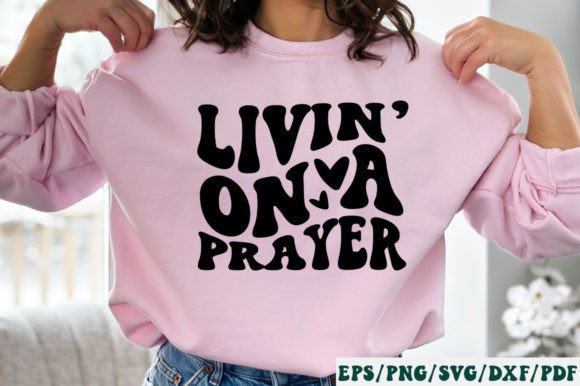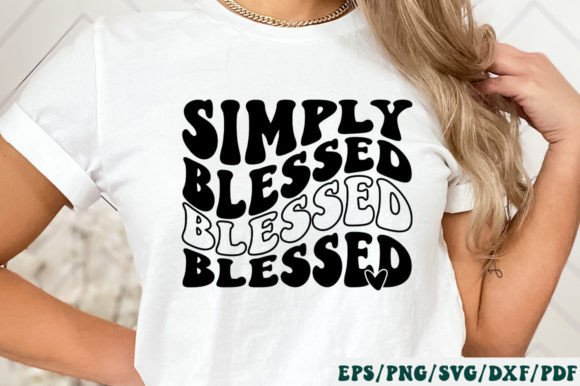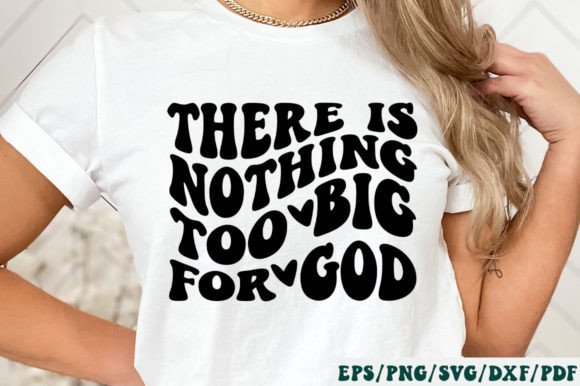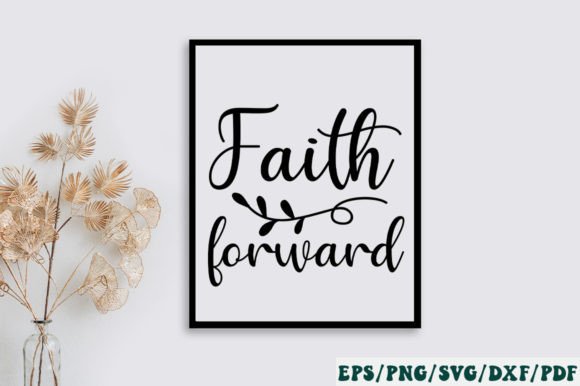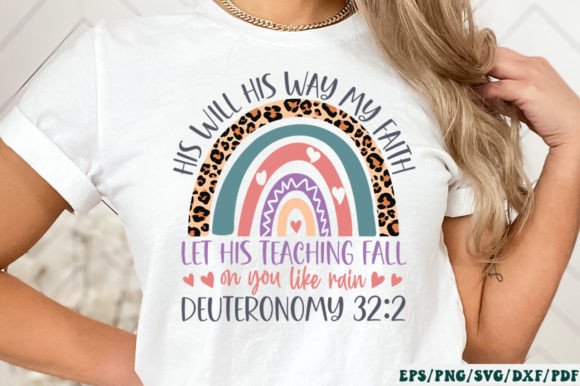
His Will His Way My Faith Let His Teachi
When I first opened this design file, I was looking for something that felt both personal and versatile for a client who wanted a faith-based piece without it feeling overly generic. His Will His Way My Faith Let His Teachi landed in my download folder as a set of digital files including SVG, DXF, PNG, EPS, and PDF formats, all neatly zipped together. As someone who works with both machine embroidery and sublimation, I appreciate when a designer delivers a package that covers multiple workflows. This one does exactly that.
The design itself carries a quiet, reflective mood. The lettering is clean and the layout feels balanced. It is not overly ornate, which is a strength. Many faith-based designs lean heavy on decorative flourishes that can get lost in the hoop. This one holds its own because it lets the message take center stage. The phrase reads like a personal statement, and that is exactly what makes it work for so many different product types.
First Impressions and Design Personality
His Will His Way My Faith Let His Teachi gives off a calm, grounded energy. The typography is simple but not plain. It has a hand-lettered feel that makes it look personal without being messy. That is a hard balance to strike. Many faith SVG files feel either too rigid or too casual. This one sits in a comfortable middle ground. It looks good on a farmhouse-style pillow, a modern minimalist sweatshirt, or a classic baby blanket. The design does not fight the product it is on. It complements it. When I evaluate a design for real project use, I look for that kind of flexibility. This one delivers.
Real Stitching Performance
I tested this design on a simple cotton tote bag first. That is often my go-to for evaluating how a design behaves in real stitching. The tote bag is a forgiving surface, but it also reveals quickly if a design has density issues or awkward spacing. His Will His Way My Faith Let His Teachi stitched out cleanly. The open lettering meant the fill stitches landed smoothly, and there was no puckering around the edges. I used a medium weight cutaway stabilizer and a 260 by 200 millimeter hoop, and the design fit comfortably without needing to squeeze or reposition.
From there, I moved to a sweatshirt. Sweatshirt fabric has more give, and that is where stitch density really matters. If a design is too dense, the fabric pulls and the letters distort. This design handled the stretch well. I recommend a tearaway stabilizer with a light topping for fleece or sweater knit fabrics. The satin stitch elements, if you choose to add any outline work, should be tested on a scrap piece first. The file is clean enough that you can adjust thread colors without worrying about overlapping paths.
Best Uses for Your Embroidery Projects
For small business owners and Etsy sellers, this design is a strong candidate for a few key product lines. Custom apparel is the obvious one. A faith-based message on a sweatshirt or t-shirt sells well year-round, but especially around holidays, graduations, and gift-giving seasons. I also see this working beautifully on pillow covers, kitchen towels, and baby blankets. The sentiment is warm without being pushy, and that makes it giftable for a wide audience.
If you are making embroidered patches, this design is a good fit. The layout is compact enough to sit on a patch backing without losing readability. You can hoop it directly or use a patch-specific stabilizer. I tested it on a twill patch with a merrow edge, and the letters stayed crisp. The design does not rely on tiny details that would disappear in the wash, so it holds up well for products that see frequent use. For boutique owners and craft fair sellers, this design fits the kind of product that sells itself. Faith-based items have a steady audience, and the message here is specific enough to feel meaningful but broad enough to appeal to many customers.
Where to Use This Design Carefully
Small hoop sizes can be tricky with any lettering design. If you are working with a 100 by 100 millimeter hoop or smaller, His Will His Way My Faith Let His Teachi may need to be scaled down, and that could affect readability. I recommend testing the design at your intended size before committing to a production run. The SVG format works well for resizing in Cricut Design Space or Silhouette Designer Edition, but keep in mind that embroidery machines handle lettering differently than cutting machines.
Dark fabric is another consideration. The design does not include a built-in outline or shadow layer, so if you are stitching on black or navy, you will want a thread color that pops. White, gold, or silver metallic thread works well. You can also add a light underlay to prevent the fabric from showing through the stitches. Test your thread tension on a dark scrap before you stitch the final product. Stretchy fabrics like jersey knit or interlock require extra care. Use a stabilizer that matches the fabric weight. A sticky stabilizer can help keep the fabric from shifting during the stitchout. I also suggest reducing the stitch density slightly if your machine allows it. This design has a reasonable density out of the box, but every fabric behaves differently.
Visual Appeal and Customer Trust
When someone buys a handmade product with a faith-based message, they are often looking for quality and sincerity. A design that stitches cleanly and reads clearly builds confidence in your brand. If the letters are crooked or the fill stitches are uneven, that reflects on you as the maker. His Will His Way My Faith Let His Teachi gives you a clean foundation to work with. Your job is to match it with the right materials and techniques. The design also works well for printable mockups. If you sell digital products, the PNG and EPS files give you flexibility for creating product previews. You can layer the design onto a mockup t-shirt or tote bag image without needing to stitch it out first. That saves time and helps you test different color combinations before you commit to thread.
Practical Designer Notes Before You Stitch
Always test the design on scrap fabric first. Check your thread color contrast against the fabric. Review the stitch density and make adjustments if needed. Confirm your hoop size before you cut fabric. Inspect the small details, especially the letter spacing, after the first stitchout. Use the right stabilizer for your fabric type. I also recommend testing in black and white before you commit to thread colors. Make a grayscale printout of the design. This helps you see the contrast and spacing without the distraction of color. It is a simple step that saves thread and time.
For commercial embroidery, this design is a solid option. The file formats are standard, and the SVG works with most design software. If you are selling finished products, make sure you check the licensing for this design. The product listing mentions it is for personal and commercial use in some capacity, but I always recommend confirming the exact terms before you start selling. This protects both you and your customers. The file package includes SVG, DXF, PNG, EPS, and PDF formats, so you have flexibility whether you are working with a cutting machine, embroidery machine, or digital design app.
Final Thoughts on This Design
His Will His Way My Faith Let His Teachi is a well-crafted design that works across a wide range of projects. Whether you are stitching a one-of-a-kind gift or building a product line for your small shop, it gives you a reliable foundation. The design is thoughtful, the file formats are practical, and the message resonates. That is a combination worth adding to your collection. If you are a hobbyist making personalized gifts, this design is easy to work with. You do not need advanced digitizing skills to get a good result. The file is ready to use, and the formats are compatible with most home embroidery machines. Just make sure your hoop size matches the design dimensions. If you are unsure, start with a larger hoop and center the design. This is the kind of Graphics file that earns its place in your digital library because it delivers on both aesthetics and usability.