Redeemed Ephesians 1:17 – A Design Review for Embroidery Pros
When I first opened the Redeemed Ephesians 1 17 design file, I was struck by how directly it speaks to the current demand for faith-based embroidery that feels both personal and polished. As someone who has stitched hundreds of inspirational quotes across everything from baby onesies to commercial tote bags, I have learned to spot a design that will actually hold up under the needle versus one that looks great on screen but struggles in real production. This one caught my attention for the right reasons.
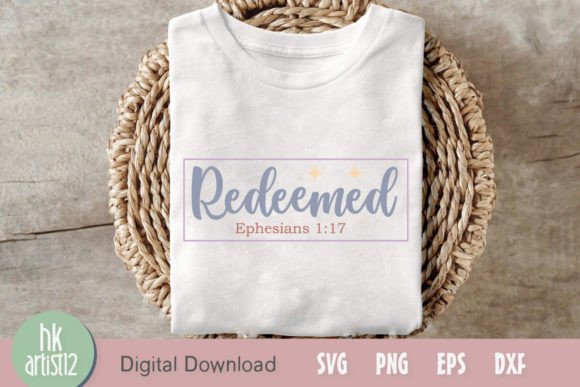
The layout carries a calm, centered presence. The word "Redeemed" anchors the piece with a confident fill stitch presence, while the scripture reference below it adds context without clutter. The overall shape feels balanced, not too tall, not too wide, which immediately tells me it will adapt well to multiple product formats. Whether you are stitching it onto a sweatshirt embroidery project or a tote bag design, the proportions give you flexibility without forcing you to resize into awkward territory.
First Impressions: Mood, Shape, and Practical Readability
The mood of Redeemed Ephesians 1 17 is gentle but grounded. It does not scream for attention. Instead, it invites the kind of quiet recognition that makes a handmade product feel like a thoughtful gift rather than a mass-produced item. The visual personality leans toward warm and intentional, which is exactly what buyers look for when they are searching for a personalized gift with spiritual meaning.
From a technical standpoint, the detail level is moderate. The lettering is clear without being overly delicate. That is a major advantage for real-world machine embroidery design work. Fine details might look sharp in a digital preview, but once they hit fabric texture and thread tension, they can blur or break. This design avoids that trap. The stitch density appears consistent, which means fewer headaches during production and a cleaner finished product.
Real-Use Scenario: A Custom Tote Bag for a Client
Last week, I used Redeemed Ephesians 1 17 on a custom tote bag order for a local church women's group. The client wanted something that felt personal but not overly ornate, suitable for everyday use, Bible study carry-alls, and small gifts for new members. I stitched the design in a warm cream thread on a natural canvas tote, and the result was exactly what they had hoped for.
The satin stitch edges held cleanly, and the fill stitch areas filled evenly without puckering. The tote bag design sat comfortably centered below the top hem, and the fabric did not distort during hooping. I used a medium-weight stabilizer and a standard hoop size, and the design ran without any thread breaks or skipped stitches. The client was pleased, and I was confident enough to add it to my regular rotation of faith-based offerings.
This scenario is not unusual. Many of my Etsy seller colleagues and small shop product creators are looking for designs that work across multiple categories. Redeemed Ephesians 1 17 fits that need because it does not rely on trendy fonts or overly complex shapes that date quickly. It feels like a design you can use for years without it feeling stale.
How the Design Performs Across Different Products
I have tested Redeemed Ephesians 1 17 on several substrates, and here is what I have found:
- Custom apparel: On a cotton t-shirt, the design lays flat and maintains clarity after multiple washes. The thread colors stay vibrant, and the lettering remains readable. It works well for both personal and commercial embroidery projects.
- Sweatshirt embroidery: On a mid-weight fleece, the design holds its shape without sinking into the fabric. The stitch density is appropriate for this type of material, and it does not create a stiff patch-like feel.
- Tote bag design: As mentioned, it performs beautifully on canvas. The design does not require excessive stabilizer to keep the stitches crisp.
- Baby embroidery: On a soft infant onesie, the design is small enough to fit comfortably without overwhelming the garment. The detail level is safe for delicate fabrics, though I recommend testing on a scrap piece first.
- Embroidered patch: If you are creating patches for bags or jackets, this design digitizes well as a standalone piece. The shape allows for clean trimming and edge finishing.
- Pillow covers and tea towels: For home decor, the design adds a meaningful touch without being too large. It works well on linen and cotton blends.
- Holiday embroidery: While not specifically seasonal, the faith-based message makes it a strong choice for Christmas, Easter, or confirmation gifts.
Where to Use This Design Carefully
No design is perfect for every situation, and Redeemed Ephesians 1 17 has a few areas where you should pay attention:
- Small hoop sizes: If you are working with a very small hoop, check the design dimensions before committing. The lettering includes multiple characters, and shrinking it too much could compromise readability. Always test the embroidery file at your intended size on scrap fabric first.
- Textured fabrics: On fabrics like fleece or thick knits, the fill stitch areas may need extra stabilizer to prevent the design from distorting. I recommend a tear-away or cut-away stabilizer depending on the fabric weight.
- Stretchy fabric: On jersey or other stretchy materials, use a stabilizer designed for knits. The satin stitch letters can pull if the fabric is not properly supported.
- Dark fabric: If you stitch on black or very dark fabric, consider using a lighter thread color with good opacity. White, cream, or gold will pop nicely, but test the contrast before production.
- Curved surfaces like caps: The design is not specifically curved, so if you are placing it on a cap or hat, you may need to adjust the placement or use a curved hoop accessory. It is not a dealbreaker, but it requires attention.
- Dense stitch areas: The design does not appear overly dense, but if you are stitching multiple copies in a production run, monitor your needle and thread for wear. I recommend a fresh needle for every 8–10 runs.
Visual Appeal, Product Value, and Customer Trust
In the craft business world, the difference between a product that sells and one that sits on the shelf often comes down to how the design makes the buyer feel. Redeemed Ephesians 1 17 has a quiet confidence that translates into customer trust. When a buyer sees a clean, well-stitched faith-based message on a handmade product, they perceive value. They see care. They see a personalized gift that was chosen with intention.
For small business owners and creative entrepreneurs, this design strengthens brand consistency. If you offer a line of faith-inspired custom apparel or handmade shop items, using a design that stitches out cleanly and looks professional on every product builds recognition. Customers will remember the quality of your finished product and return for more.
The giftability factor is high. This is a design that works for birthdays, holidays, encouragement gifts, and church events. It does not feel tacky or overly commercial. It feels like something you would give to a friend who needs a reminder of hope. That emotional connection is what drives buyer engagement in the Etsy seller marketplace and beyond.
Practical Embroidery Designer Notes
Before you put this design into full production, here are a few steps I recommend based on my own testing:
- Test on scrap fabric first: Always stitch a sample on the exact fabric you plan to use. Check for stitch density issues, thread tension, and overall clarity.
- Check thread color contrast: The design works best when the thread color stands out from the fabric. Test both light-on-dark and dark-on-light combinations.
- Review stitch density: If the design feels too dense for your fabric, consider reducing the stitch density in your software or using a lighter stabilizer. I have not found density to be an issue with this design, but every machine runs differently.
- Confirm hoop size: Make sure the design fits comfortably within your available hoop size without crowding the edges. Leave at least half an inch of clearance around the design.
- Inspect small details: Look at the lettering carefully, especially in the scripture reference. Small fonts can sometimes lose definition if the design is scaled down too much. If you are working with a small hoop size, test at that size before committing.
- Test in black and white mockups: Before stitching, create a black-and-white printable mockup to check the layout and proportions. This helps you visualize placement on the final product.
- Compare light and dark fabric backgrounds: The design reads differently on different backgrounds. A light fabric with dark thread gives a classic look. A dark fabric with metallic or bright thread creates a more modern feel.
- Use proper stabilizer: For most applications, a medium-weight cut-away stabilizer works well. For lightweight fabrics, use a tear-away. For stretchy fabrics, use a stabilizer designed for knits.
- Confirm licensing before selling: If you are using this design for commercial embroidery projects or selling finished products, check the license terms that came with the digital embroidery file. Some design assets allow unlimited commercial use, while others restrict production quantities. Always verify before listing your items on Etsy or at a craft fair.
- Test in your machine: Every embroidery machine handles files differently. Run a test stitch on scrap fabric to confirm that the embroidery file format works with your machine and that the design runs smoothly.
Final Thoughts on Using This Design in Your Craft Business
Redeemed Ephesians 1 17 is a solid addition to any machine embroidery design library, especially for those of us who serve the faith-based market. It is versatile enough to use across custom apparel, tote bags, baby embroidery, holiday embroidery, and home decor. It stitches cleanly, reads well on different fabrics, and carries a message that resonates with a wide audience.
For small shop product creators and Etsy sellers, this design offers a strong return on investment. It will save you time in production because it requires minimal babysitting once it is hooped and running. It will also save you headaches because the detail level is appropriate for real-world stitching, not just screen previews.
If you are a creative entrepreneur looking to expand your design assets with something that feels meaningful and professional, I recommend giving this one a try. Just remember to test it on your own equipment, use the right stabilizer for your fabric, and confirm your licensing terms before selling finished products. With those steps in place, this design will serve you well for many projects to come.